Wondering where to live in Aurora if your workday starts with a commute? You are not alone. Aurora gives you more than one way to balance home style, travel time, and daily convenience, whether you ride Metra into Chicago or drive along the I-88 corridor. This guide breaks down Aurora’s key commuter-friendly areas so you can narrow your search with more confidence. Let’s dive in.
Why Aurora Works for Commuters
Aurora is built for movement across the western suburbs and into Chicago. The city stretches from Route 59 on the east to beyond Orchard Road on the west, and it is served by five interchanges along the East/West Tollway corridor.
That layout gives you options. CMAP’s 2019 to 2023 snapshot shows Aurora residents have an average commute time of 28.0 minutes, with 67.7% of workers driving alone and 3.6% using transit. Chicago and Naperville rank among the top work locations for Aurora residents, which helps explain why both road access and train access matter here.
Aurora also offers a broad mix of housing. The median year built is 1986, and 40.9% of housing units were built from 1990 to 2009. In real terms, that means you can choose between older historic neighborhoods and newer commuter-oriented subdivisions without leaving the city.
Aurora’s Two Metra Options
If train access is part of your plan, Aurora has two city-operated Metra stations on the BNSF line to Chicago Union Station. The Downtown station is at 233 N. Broadway, and the Route 59 station is at 1090 Illinois Route 59.
The Downtown station offers 1,631 parking spaces and Pace connections. Route 59 is the larger park-and-ride option with 4,424 parking spaces. If you expect to drive to the train most mornings, that difference may shape your home search right away.
Best Aurora Neighborhoods for Train Commuters
Downtown Aurora and Near East Areas
If you want a train-first lifestyle, Downtown Aurora and nearby east-side neighborhoods deserve a close look. The city notes that its historic districts are within walking distance of downtown and Aurora’s Metra station, and they are also a short drive to I-88.
This part of Aurora includes areas such as Near Eastside, McCarty Burlington, and Light of the Community. These are some of Aurora’s oldest established areas, with older architecture and smaller-lot housing that may include Victorian-era, Italianate, and bungalow-style homes.
Downtown Aurora also has the city’s strongest concentration of amenities. Aurora highlights restaurants, public art, museums, historic architecture, the Fox River Trail, and RiverEdge Park. The Aurora Transportation Center sits across Broadway from RiverEdge Park, which makes this area especially practical if you want to combine rail access with walkable daily conveniences.
West Aurora and Near West Galena
If you like historic character but want to stay close to downtown, west-side neighborhoods may be a strong fit. The Westside district was first platted in 1842, and most structures date from 1850 to 1920.
That gives this area a distinct housing feel compared with newer parts of Aurora. Near West Galena and nearby west-side neighborhoods can appeal to buyers who want proximity to the BNSF corridor while staying near the historic core. If your ideal commute starts with a short drive or local trip to the downtown station, this is a logical area to explore.
Best Aurora Neighborhoods for Drivers
Route 59 and Far East Side
If your commute is mostly by car, the east side often rises to the top. Aurora identifies the Far East Side as a major growth area that includes Fox Valley Mall, residential areas, and an expanding population base.
The Route 59 corridor is also the most auto-oriented part of Aurora. City planning documents support a mix of uses, including higher- and medium-density residential near key intersections such as Route 59 and 75th Street. For many buyers, this area is the clearest match for newer suburban housing and fast access to I-88.
Route 59 station is also a major advantage if you want the flexibility to drive some days and take the train on others. With 4,424 parking spaces, it is Aurora’s largest commuter lot and an easy choice for many park-and-ride households.
Farnsworth and East-Side Corridors
For buyers commuting toward Naperville, Downers Grove, or Oak Brook, east-side locations can make daily travel simpler. These neighborhoods are generally closer to major tollway access and key north-south routes.
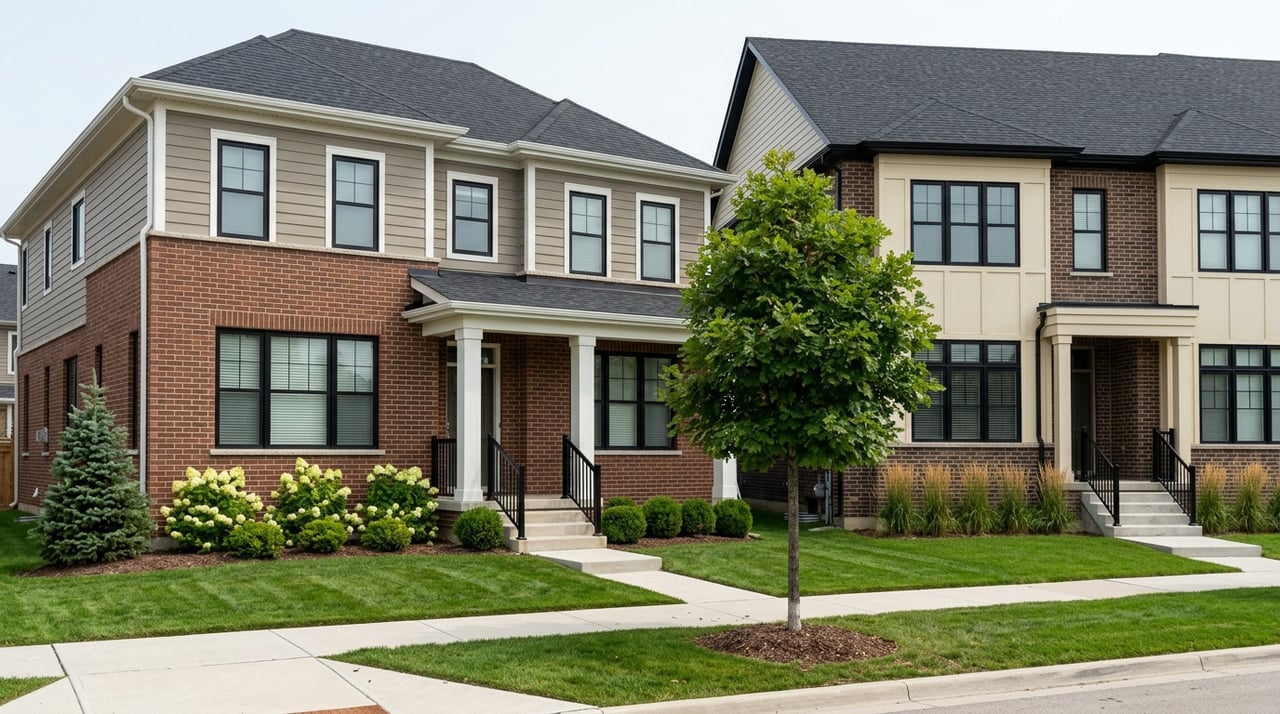
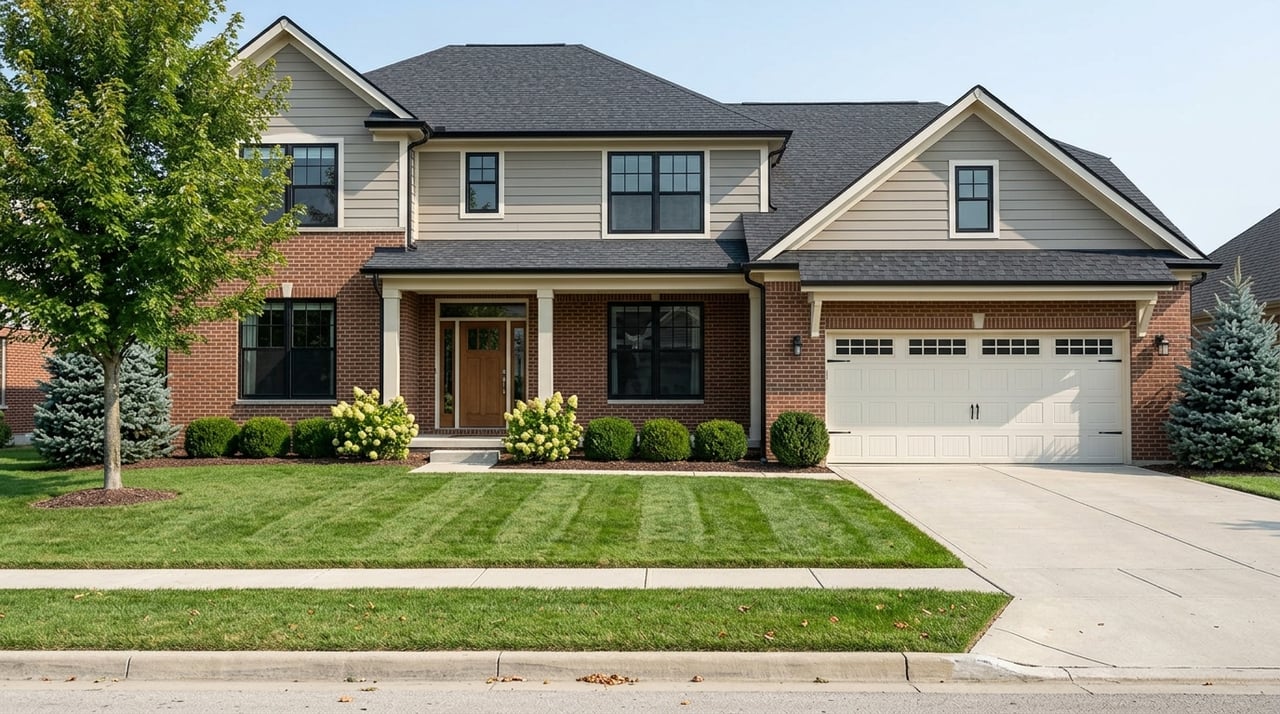
If your workday depends on getting onto I-88 quickly, this part of Aurora may offer a more efficient setup than the historic core. You may also find the housing style better matches buyers who prefer newer layouts, attached garages, and more suburban street patterns.
South East Villages and Wolf’s Crossing
If you want a more suburban feel with newer housing choices, the southeast edge of Aurora is worth considering. Aurora’s Wolf’s Crossing subarea plan outlines a mix of single-family detached and attached housing along with retail and business uses.
That land-use mix can appeal to buyers who want newer subdivisions while staying within Aurora. It can be a practical option if your commute is car-based and you value modern neighborhood planning over older housing stock.
Commute Times to Common Work Hubs
While your exact route depends on your starting point and traffic patterns, citywide estimates can help frame your search.
| Destination | Typical drive time |
|---|---|
| Chicago Loop | About 54 minutes |
| Naperville | About 22 minutes |
| Downers Grove | About 26 minutes via I-88 |
| Oak Brook | About 25 to 30 minutes off-peak |
Peak traffic can add time, especially for Downers Grove and Oak Brook commutes. MeetWays estimates peak traffic can add 10 to 15 minutes or more to the Downers Grove trip, and Oak Brook drives may stretch to 35 to 50 minutes during peak periods.
For Chicago-bound rail commuters, neighborhoods near Downtown Aurora usually offer the most natural train-first setup. For Naperville, Downers Grove, or Oak Brook commuters, I-88-adjacent east-side and southeast neighborhoods are often the more practical fit.
How to Match Neighborhood to Commute Style
Choosing the right Aurora neighborhood gets easier when you start with your weekday routine. Think less about what looks best online and more about how you want your mornings and evenings to feel.
Choose downtown if you want rail access
If you plan to ride Metra into Chicago often, start with Downtown Aurora and nearby east-side neighborhoods. You will be closer to the Aurora Transportation Center, downtown amenities, and older established housing areas.
Choose west side if you want character
If you want older architecture and proximity to downtown, west-side neighborhoods may be your best balance. You can stay near the city’s historic core while keeping train access within reach.
Choose east side if you drive often
If you commute by car to Naperville, Oak Brook, or Downers Grove, east-side areas near Route 59, Farnsworth, and other I-88-adjacent corridors often make the most sense. These locations usually align better with fast tollway access and park-and-ride flexibility.
Choose southeast if you want newer housing
If your priority is newer subdivisions, attached garages, and a more suburban layout, look closely at southeast Aurora and Wolf’s Crossing. This area can be a strong fit for buyers who value modern development patterns and car-based commuting.
Key Details to Verify Before You Buy
Aurora covers a large area, so neighborhood choice is about more than home style. Before you move forward, it helps to confirm a few practical details.
Check these items early in your search:
- Your likely commute route and backup route
- Which Metra station you would actually use
- Station parking convenience for your schedule
- County boundaries for the home you are considering
- School district boundaries for that address
Aurora spans four counties and six school districts, so these details can vary from one area to another. Even if two homes seem close on a map, they may come with very different daily logistics.
A Smart Way to Narrow Your Search
If you are trying to decide between several parts of Aurora, start with your commute first and your home style second. That simple shift can save you time and help you focus on neighborhoods that truly fit your routine.
For example, a buyer heading to Chicago several times a week may value proximity to the downtown station more than a newer floor plan farther east. On the other hand, a buyer driving daily along I-88 may gladly trade historic charm for easier highway access and larger park-and-ride capacity near Route 59.
Aurora works well because it gives you both choices. You can look for walkable historic living near downtown, classic older homes on the west side, or newer suburban development on the east and southeast sides.
When you are ready to compare Aurora neighborhoods in a way that fits your commute, budget, and home goals, Dimpi Mittal can help you find the right match with a personalized, data-informed approach.
FAQs
Which Aurora neighborhoods are best for Metra commuters to Chicago?
- Downtown Aurora, Near Eastside, McCarty Burlington, Light of the Community, and some west-side neighborhoods near downtown are often the best fit because they are closest to the Aurora Transportation Center on the BNSF line.
Which Aurora areas are best for commuting by car to Naperville or Oak Brook?
- Route 59, Farnsworth, the Far East Side, and southeast Aurora are usually practical choices for car commuters because they offer stronger access to I-88 and major east-side corridors.
Does Aurora have more than one Metra station for commuters?
- Yes. Aurora has two city-operated Metra stations on the BNSF line: the Downtown station and the Route 59 station.
Which Aurora Metra station has more parking for park-and-ride commuters?
- Route 59 has more parking, with 4,424 spaces, compared with 1,631 spaces at the Downtown station.
Are there newer neighborhoods in Aurora for commuters who want a suburban feel?
- Yes. East-side and southeast areas, including Wolf’s Crossing, are often the best places to look if you want newer subdivisions, a more suburban layout, and easier car commuting.
What should buyers verify before choosing a neighborhood in Aurora?
- Buyers should confirm commute routes, station parking convenience, county lines, and school district boundaries because Aurora spans multiple counties and school districts.