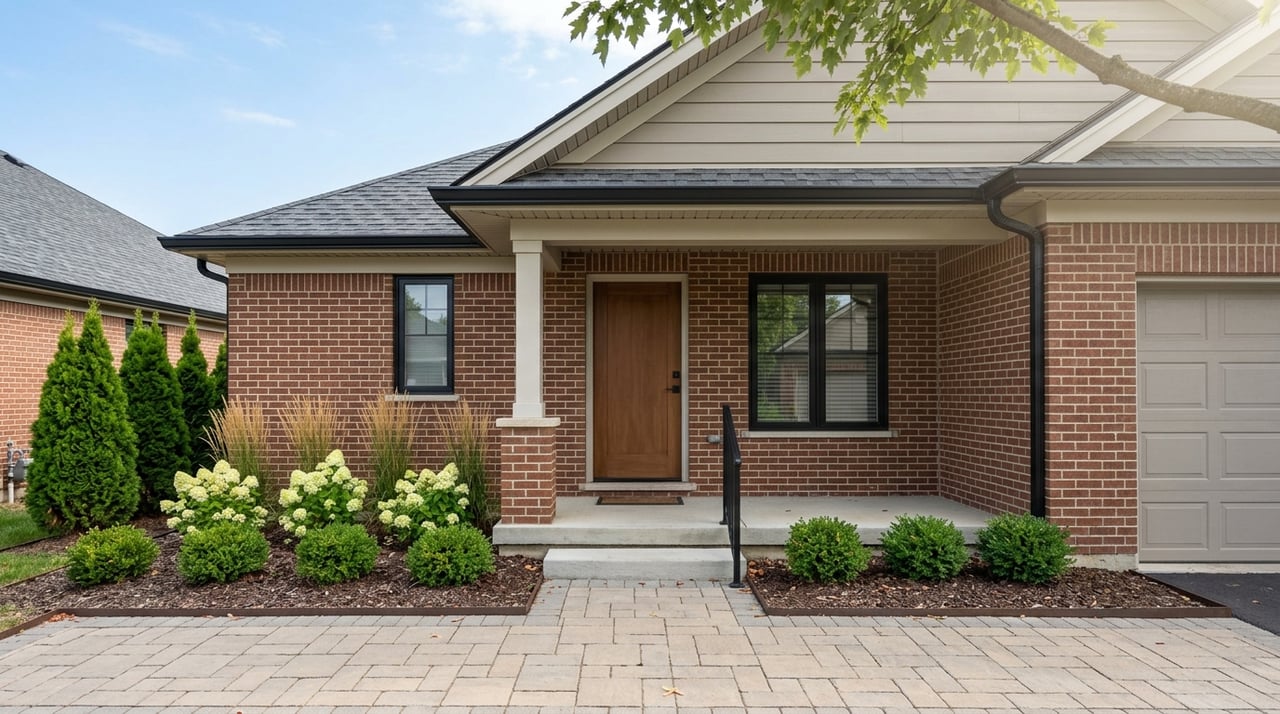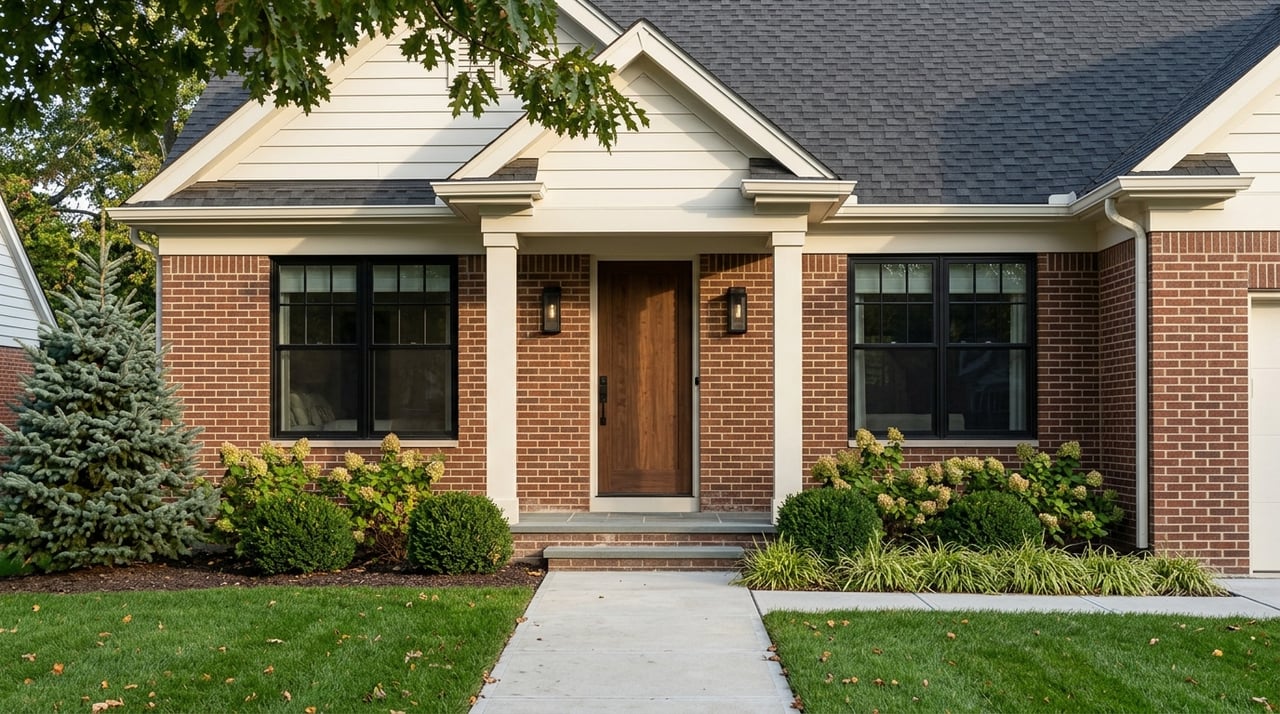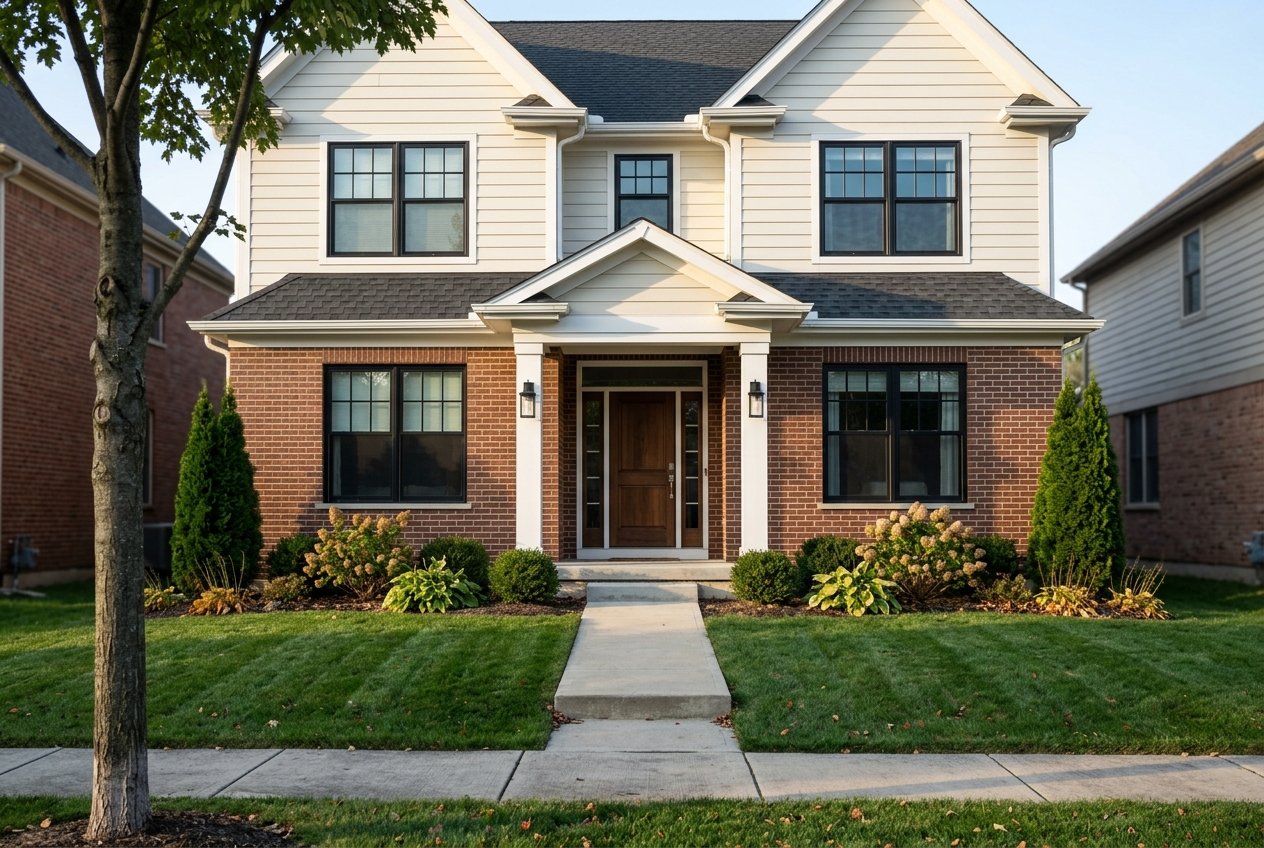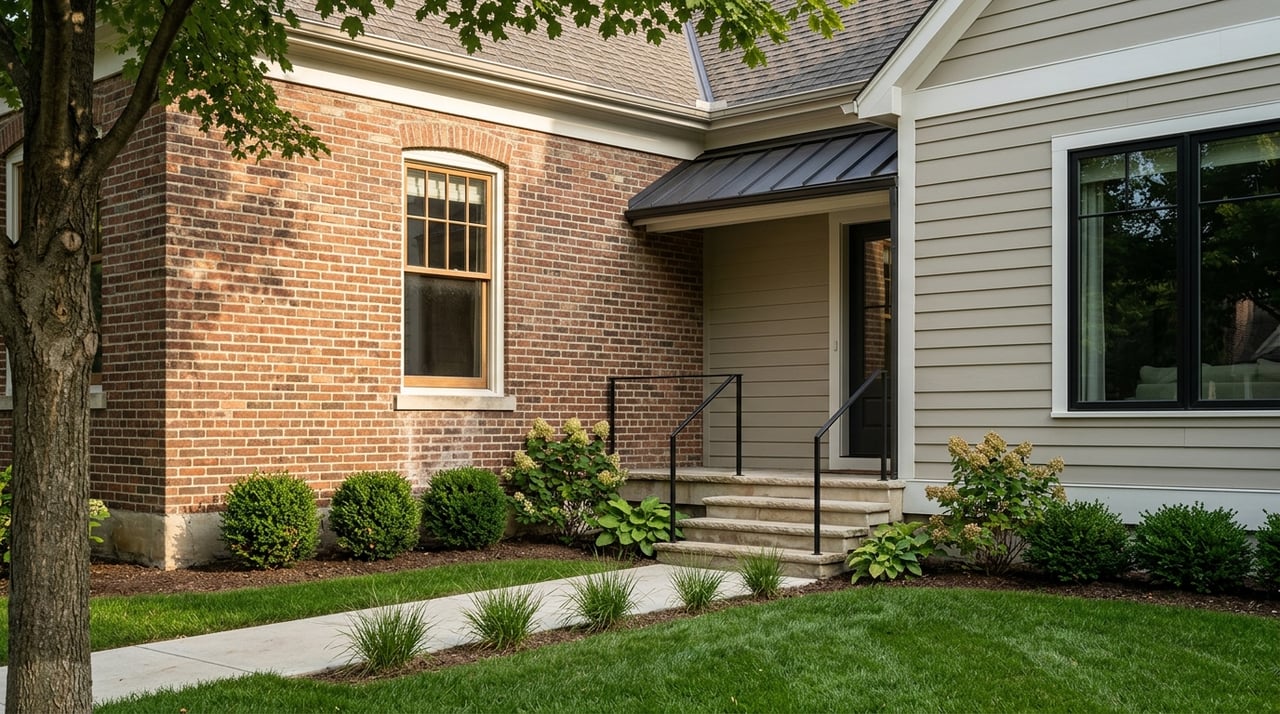
Wondering whether a historic home or a newer build is the better fit in Downers Grove? You are not alone. In a community where most homes were built decades ago, this choice often comes down to what matters most to you: original character and established design, or modern efficiency and fewer early projects. This guide will help you compare both options, understand what to watch for, and make a more confident move in Downers Grove. Let’s dive in.
Why This Choice Matters in Downers Grove
Downers Grove has a housing stock that leans older. According to the village’s 2022 ACS housing profile, the community has more than 20,000 housing units, with 95.6% occupied and 75.2% owner-occupied. It is also primarily single-family detached housing, which makes the historic-versus-newer question especially relevant for buyers comparing lifestyle and upkeep.
The age of the housing stock stands out even more. The same village profile shows that 86.8% of homes were built in the 20th century or earlier, while only 5.6% were built in 2010 to 2019 and 0.3% in 2020 or later. In practical terms, that means many buyers in Downers Grove will naturally spend more time evaluating older homes than they would in a newer suburban market.
Historic Homes in Downers Grove
Historic homes offer distinct character
One of the biggest draws of a historic home is personality. Downers Grove describes its housing as having a wide variety of architectural styles, and older homes often reflect design details that are harder to find in newer construction.
That appeal is not just about the exterior. The National Park Service notes that a building’s floor plan and interior rooms are part of its historic character, which helps explain why many buyers are drawn to original room flow, trim, and layout in older homes. If you value architecture and a sense of continuity, a historic home can feel especially meaningful.
Historic homes may shape renovation choices
Character often comes with more planning. In Downers Grove, if a home is a designated landmark or located within a historic district, certain visible exterior changes may require historic review.
According to the village’s historic preservation guidelines, review may apply to:
- Front-facade window or door replacement
- Demolition
- Visible additions
- Attached garages
- Roof changes that alter height or pitch
This does not mean every older home comes with added restrictions. The village makes clear that landmark rules apply to designated landmarks and historic districts, while its Historic Home Program is honorary and does not restrict exterior alterations.
Historic homes can involve added due diligence
With older homes, age alone should not be the deciding factor. Condition matters just as much. A well-maintained older home may be a better fit than a newer home that needs costly repairs.
Still, older homes can require more early investigation. Buyers should be prepared to look closely at maintenance history, system updates, and whether past additions or exterior work were properly permitted.
Newer Homes in Downers Grove
Newer homes prioritize convenience
Newer construction is a much smaller share of the Downers Grove market, but it can be appealing if you want fewer immediate decisions after closing. In many cases, newer homes offer a more straightforward path to modern systems, current-code-era construction, and a more predictable maintenance timeline.
That simplicity is a major reason many buyers focus on newer inventory. Instead of planning around repairs and upgrades right away, you may be able to focus more on finishes, layout preferences, and long-term upkeep.
Newer homes often have built-in efficiency
Energy efficiency is one of the clearest advantages of newer homes. The U.S. Department of Energy explains that state and local codes set minimum insulation requirements, and energy-efficient new homes often go beyond those minimums.
The DOE also notes that insulation is generally more cost-effective to install during construction than to retrofit later, and many newer efficient homes place ductwork within conditioned space. For you as a buyer, that can mean less guesswork about insulation strategy and fewer major efficiency projects in the near term.
Historic vs. Newer: A Practical Comparison
If you are weighing both options, it helps to compare them through the lens of daily ownership.
| Feature | Historic Homes | Newer Homes |
|---|---|---|
| Style | Often more distinctive architecture and original details | Typically more modern finishes and layouts |
| Layout | Original room flow may be part of the appeal | Often designed for contemporary living patterns |
| Renovations | May involve historic-review rules in some cases | Usually fewer exterior review issues tied to historic status |
| Efficiency | May need targeted upgrades over time | Often built with more current insulation and efficiency practices |
| Early Planning | More attention to repairs, updates, and permits | More focus on maintenance timing and cosmetic preferences |
Neither option is automatically better. The right fit depends on how you balance charm, convenience, budget, and your comfort level with future projects.
What to Check During Showings
Whether the home is old or new, your goal is to evaluate its current condition, not just its age. HUD’s Residential Rehabilitation Inspection Guide recommends reviewing the site, exterior, interior, structure, electrical, plumbing, and HVAC systems.
During a showing, pay close attention to:
- Roof age and visible roof condition
- Basement or crawlspace moisture
- Window and door condition
- Attic insulation
- Visible wiring
- Plumbing updates
- HVAC age and function
- Evidence that additions or garage work were permitted
These items can help you understand whether a home has been consistently maintained or may need larger investments after purchase.
What Older Homes Need You to Know
Lead-paint rules matter for pre-1978 homes
If you are considering an older home built before 1978, lead-paint rules are important. The EPA states that buyers and renters of most pre-1978 housing must receive lead-based paint disclosure before signing a contract or lease.
The EPA also notes that renovation contractors working on pre-1978 housing must use lead-safe certified practices. For buyers, that means it is wise to ask questions early if you are planning updates soon after closing.
Original features are not always problems
Many buyers assume that older windows and doors automatically need replacement, but that is not always the best path. The National Park Service explains that historic windows and doors can often be repaired or upgraded, and it cautions that replacement windows do not usually deliver the payback many people expect.
In many cases, weatherization tools such as air sealing, weatherstripping, storm windows, insulation, moisture control, and ventilation can improve comfort and efficiency while preserving original features. That can be an important mindset shift if you love an older home but worry about energy performance.
How to Budget for the Right Fit
A smart budget goes beyond the purchase price. If you are leaning historic, you may want extra room for inspection follow-up, repair planning, and updates that respect the home’s original materials or any applicable preservation rules.
If you are leaning newer, your budget may center less on immediate systems work and more on routine maintenance timing, finish upgrades, or personalizing the space over time. Either way, the best budget is one that reflects the home’s actual condition and your ownership goals for the next several years.
Which Type of Home Fits You Best?
A historic home may be the better fit if you value architectural detail, established character, and the feel of an older layout. You may also be more comfortable taking on maintenance planning and learning whether any preservation review applies.
A newer home may make more sense if you prefer built-in efficiency, a simpler maintenance path, and fewer immediate retrofit decisions. If convenience and predictability matter most, newer construction can offer peace of mind.
In Downers Grove, this is rarely a simple old-versus-new debate. It is really about how you want to live, what projects you are comfortable taking on, and how each home supports your long-term plans.
If you are comparing historic and newer homes in Downers Grove, working with a local advisor can help you sort through condition, resale considerations, and what to expect before you write an offer. When you are ready for tailored guidance, connect with Dimpi Mittal to schedule a free consultation.
FAQs
What makes historic homes in Downers Grove different from newer homes?
- Historic homes in Downers Grove often offer distinctive architecture, original layouts, and older materials, while newer homes typically provide more modern efficiency, current construction practices, and fewer immediate upgrade decisions.
Do all older homes in Downers Grove have historic restrictions?
- No. The village’s historic-review rules apply to designated landmarks and homes within historic districts, while the Historic Home Program is honorary and does not restrict exterior alterations.
What should you inspect first in an older Downers Grove home?
- Focus on condition-related items like roof age, moisture in the basement or crawlspace, window and door condition, attic insulation, visible wiring, plumbing updates, HVAC systems, and whether additions were properly permitted.
Are newer homes in Downers Grove more energy efficient?
- In many cases, yes. Newer homes often benefit from code-era insulation standards and construction practices that can make efficiency easier to achieve from the start.
Do buyers need lead-paint disclosure for older homes in Downers Grove?
- Yes, for most homes built before 1978, buyers must receive lead-based paint disclosure before signing a contract.
Can historic windows in older homes be improved without replacing them?
- Yes. The National Park Service says historic windows and doors can often be repaired or upgraded, and weatherization steps like air sealing and weatherstripping may improve comfort without full replacement.