Thinking about swapping your Chicago condo for a backyard, a driveway, and more breathing room? Moving to Darien can deliver that suburban lifestyle many city buyers want, but it also comes with new routines around commuting, maintenance, and property taxes. In this guide, you’ll learn what homes typically cost, how you might commute, what daily life looks like, and how to plan a smart scouting trip before you buy. Let’s dive in.
Darien at a glance
Darien sits in DuPage County, southwest of Chicago, with a compact footprint and a primarily single-family feel. The population is about 22,000, and owner-occupancy is high. According to the U.S. Census QuickFacts for Darien, the mean travel time to work is roughly 28.7 minutes across all jobs and modes, which helps frame typical commute expectations.
You’ll find established neighborhoods, a strong parks district, and everyday amenities that are mostly a short drive away. If you’re used to walking to errands in the city, plan on adjusting to a car-forward routine here.
Housing and costs
What homes cost today. Two widely followed market trackers use different methods to describe Darien pricing. As of January 2026, Zillow’s ZHVI index places average home value around 430,000 to 434,000, while Redfin’s MLS-based median sale price sits near 375,000. The gap reflects methodology and mix of recent sales. Treat these as directional guides rather than exact quotes for any given property.
Property taxes to expect. DuPage County property taxes trend higher than the national average. Estimates for Darien suggest an effective rate around 2.05 percent, with many annual bills in the 6,000 to 8,000 range depending on value and exemptions, according to Ownwell’s Darien property tax overview. Always verify the exact bill and exemptions for a specific address with the county.
Home types you’ll find
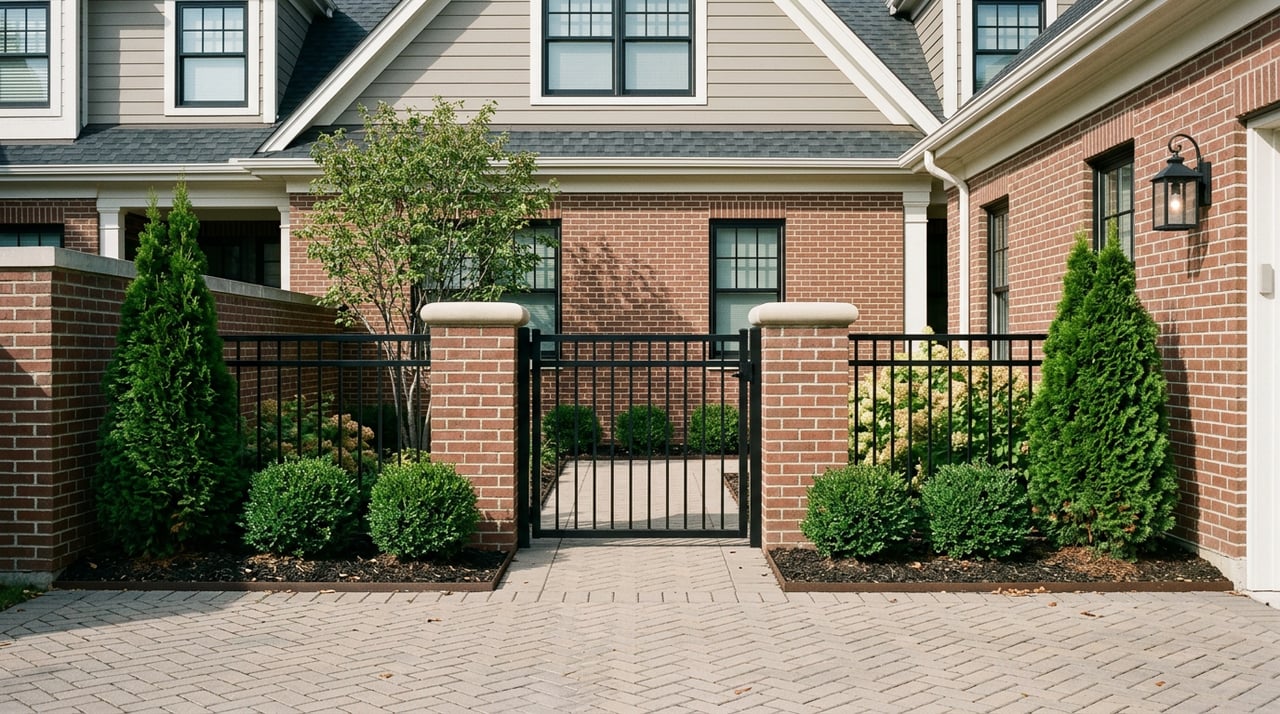
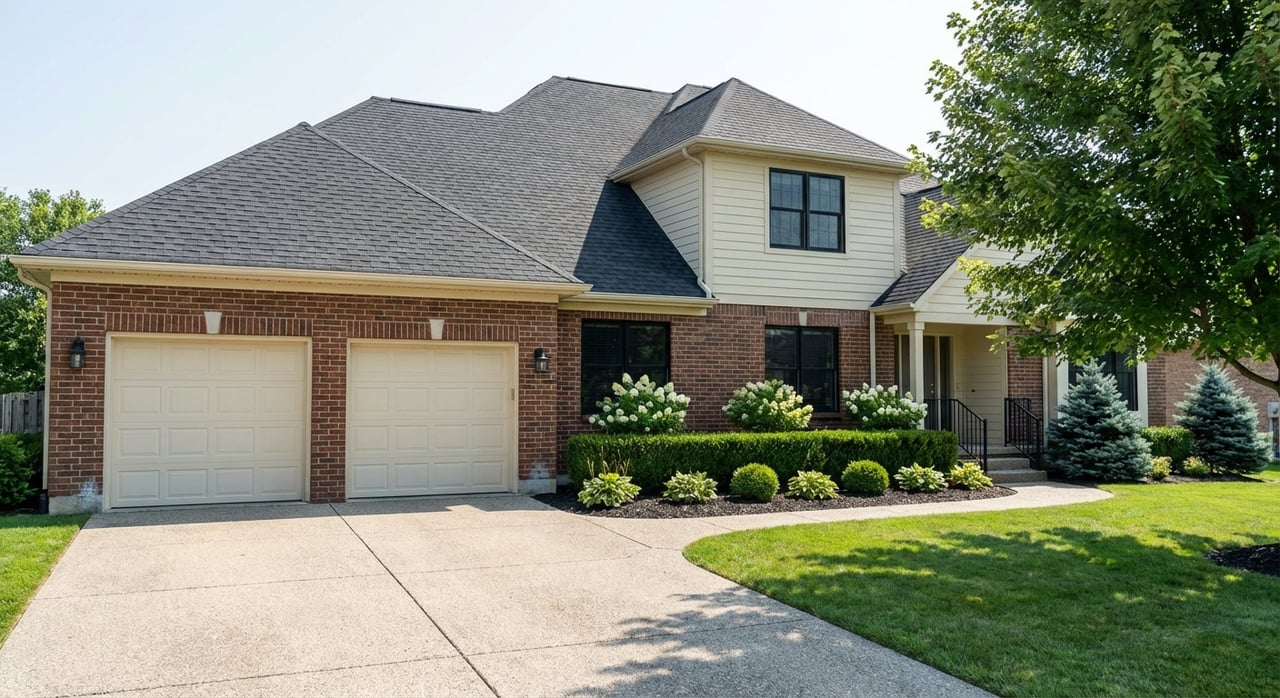
Darien’s housing stock is mostly single-family detached homes, including ranches, split-levels, and two-story homes built primarily from the 1960s through the 1980s. Many properties include basements and attached two-car garages. You’ll also find some townhomes and condos, plus a handful of newer pockets with updated finishes and layouts.
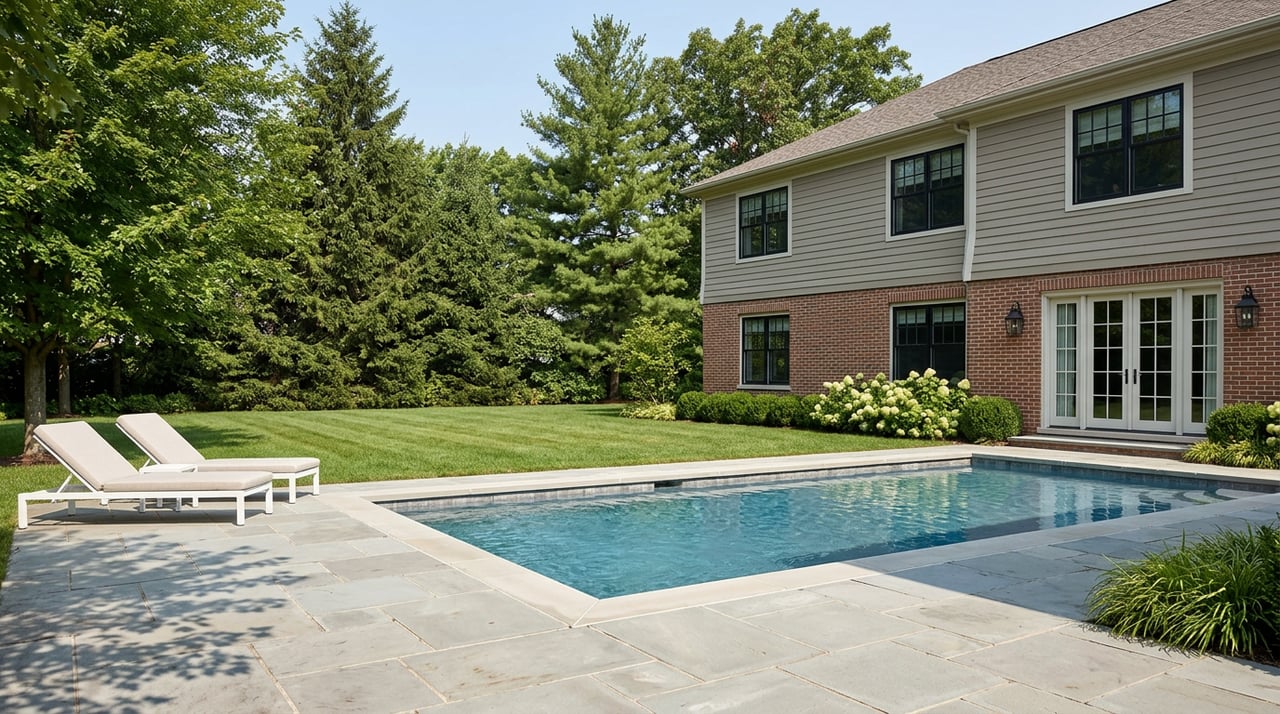
For city condo owners, the big jump is space: more interior square footage, a yard, and private parking. That extra room is often the top reason buyers make the move.
Lots, zoning, and parking
Lot sizes vary by subdivision, and there isn’t a single average lot size published for the whole city. Older neighborhoods often have modest suburban yards, while some planned communities offer larger parcels. For precise details, check the city’s Community Development zoning resources and the interactive zoning map.
Most single-family homes come with a driveway and attached two-car garage. That’s a big lifestyle change from residential street parking or paid garage parking in Chicago.
Maintenance to budget for
Because many homes date to the mid-20th century, you should plan for updates and system checks. Common items include kitchens and baths, HVAC, roofing, and basement drainage or sump pump systems. If you are trading HOA-covered services for a single-family home, also budget for snow removal, lawn care, landscaping, and periodic driveway or garage maintenance. The city handles public-street snow, but your driveway and sidewalks are your responsibility. For local guidelines on permits and property work, start with Community Development zoning resources.
Commute and transportation
No in-town Metra stop. Darien does not have a Metra station within city limits. The City of Darien public transportation page points riders to nearby BNSF stations in Downers Grove and Westmont, plus Pace bus routes that connect neighborhoods to those stations.
How you’ll likely commute. If you rely on transit today, your new routine will probably be one of the following:
- Drive to a nearby Metra station and park.
- Take a local Pace route or join a vanpool to reach a station.
- Drive all the way to your workplace if the schedule or destination makes that easier.
Door-to-door drive times to the Loop can range widely, often 30 to 60-plus minutes depending on time of day and route. Use the Census mean travel time of about 28.7 minutes as a broad, citywide baseline, then run your own mapping and test drives to see what your actual commute looks like. The city’s page also lists options like Pace vanpools and local paratransit.
Day-to-day life and amenities
Schools and boundaries
Most K–8 students are served by Darien School District 61. High school assignments often fall under Hinsdale Township High School District 86. Attendance can vary by address, so always confirm precise boundaries and registration steps with the districts directly before you write any offers.
Parks, programs, and activities
The Darien Park District operates an active network of parks and facilities, including the popular Sportsplex, year-round programs, and seasonal camps. For a sense of offerings and facility details, visit the Darien Park District website.
Shopping, errands, and healthcare
Expect a car-oriented routine. Daily errands typically involve short drives to grocery stores, plazas, and services in Darien and nearby towns. Regional hospitals and clinics are accessible by car, so plan your preferred providers and commute times in advance.
Community rhythm
Neighborhood life often revolves around school activities, youth sports, park district programs, and events in Darien and adjacent downtowns like Downers Grove and Westmont. If weekend community time matters to you, preview the Park District calendar and local event listings to get a feel for the pace and options that fit your family.
How to plan a smart scouting visit
Use one or two days to ground your expectations in real drive times, neighborhood feel, and property details.
Half-day: commute and neighborhood sweep
- Drive your typical work route during a weekday rush hour. Time from driveway to highway to parking.
- Tour 2 or 3 neighborhoods that fit your budget and wish list. Compare older, tree-lined streets with newer subdivisions to see trade-offs in lot size and layout.
- Park and walk a full block around a sample listing. Note sidewalks, lighting, yard depths, and parked-car patterns in the evening.
Full day: schools, parks, and transit link
- Observe an elementary school drop-off or attend an open house to understand traffic and logistics. Check boundaries and registration steps on the Darien School District 61 site.
- Visit the Park District or Sportsplex, then run weekend errands at a local grocery to see crowd levels and convenience. Explore programs on the Park District website.
- Drive to the Metra stations you might use and look at parking options. If you expect a bus-to-train routine, review connections on the City of Darien public transportation page.
Showing and due-diligence checklist
- Confirm the exact school assignment for the address on district boundary resources: Darien School District 61 and Hinsdale Township High School District 86.
- Time your door-to-door commute during your actual work hours rather than relying on midday map estimates. Use the Census QuickFacts baseline only as context.
- Verify lot size on the county parcel viewer or MLS, and review setbacks and use on the city’s zoning resources or interactive zoning map.
- Ask for the most recent property tax bill and exemptions, then confirm with county records. For ballpark context, see Ownwell’s Darien property tax overview.
- Evaluate age and condition of key systems common in older homes: roof, HVAC, electrical, plumbing, sump pump, and any waterproofing.
Pros and trade-offs to weigh
What you gain: more interior space, a yard, and private parking. If you host, have outdoor hobbies, or simply want room to spread out, this is a strong value compared with city condo living.
What you manage differently: higher property taxes relative to many national markets, a car-first daily routine, and the responsibilities of home maintenance. Commuting can still be efficient if you plan well, but it usually requires a drive to Metra or a drive to work.
If these trade-offs make sense for your lifestyle and budget, Darien can be a comfortable, convenient base in DuPage County with quick access to neighboring towns and regional employers.
Ready to explore neighborhoods and compare homes side by side? Reach out to Dimpi Mittal to talk through pricing, commute options, school boundaries, and a smart viewing plan tailored to you.
FAQs
Is Darien a walk-to-train suburb for Chicago commuters?
- Not typically; there is no Metra station within city limits, and most commuters drive or use Pace connections to nearby stations listed on the City of Darien public transportation page.
How do current Darien home prices compare to Chicago condos?
- Many buyers find more square footage and a yard in Darien for prices aligned with mid-market city condos; as of Jan 2026, Zillow’s ZHVI is around 430,000 to 434,000 while Redfin’s median sale price is near 375,000, reflecting different data methods and sales mix.
What should I know about Darien property taxes before I buy?
- Estimates point to an effective rate around 2.05 percent and many bills in the 6,000 to 8,000 range, but you should verify the most recent bill and exemptions for any address; see Ownwell’s Darien property tax overview for context.
Which schools serve most Darien addresses?
- K–8 is commonly under Darien School District 61 and high school under Hinsdale Township High School District 86, but assignments vary by address, so confirm boundaries directly with the districts.
How long is the commute from Darien to downtown Chicago by car?
- Door-to-door time varies by route and hour, often 30 to 60-plus minutes; use the Census QuickFacts 28.7-minute mean as a general baseline, then test your exact drive during peak hours.
What home upkeep should I plan for when moving from a condo to a house in Darien?
- Budget for lawn care, snow removal, and periodic maintenance like roof, HVAC, and sump pump checks, especially since many homes were built mid-century and the city clears public streets while you handle your driveway and sidewalks.