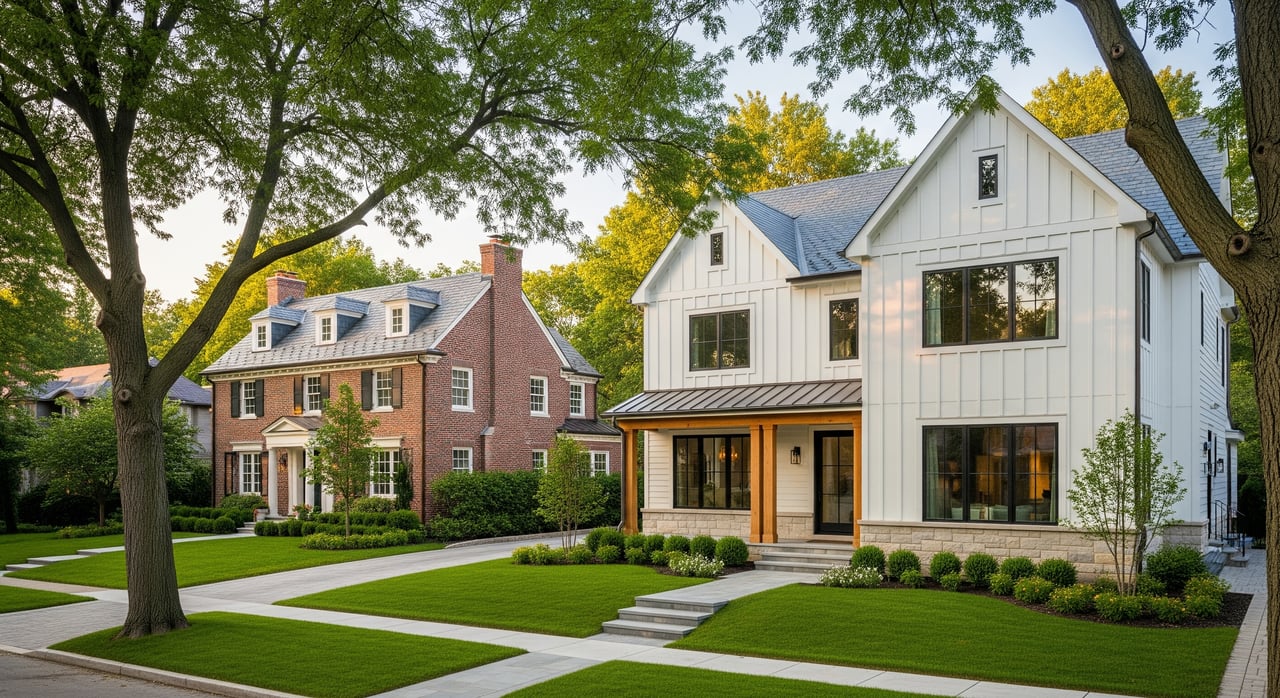
Torn between the clean slate of a new build and the character of a resale in Darien? It is a big decision, and the right choice depends on your budget, timing, and how you plan to live in the home. In this guide, you will get a simple framework plus Darien-specific insights to help you choose with confidence. You will also find links to trusted sources so you can double-check details before you commit. Let’s dive in.
New vs. resale at a glance
New construction offers customization, modern systems, and lower early maintenance. You often pay for those perks through upgrades and a longer build timeline. Resale homes offer faster closings and mature neighborhoods, but they may need repairs or updates. Your decision comes down to total cost, timing, and how much you value personalization.
What it means in Darien
Darien is a mature suburb with mostly established neighborhoods. New subdivisions are often smaller infill projects or tear-down rebuilds on existing lots. If you want more new-lot choices, nearby municipalities can widen your options. For current proposals and permits, check the Village of Darien’s planning and building resources on the Village of Darien website.
Commuting matters for many buyers. Darien has access to I-55, and Metra stations in nearby towns serve Chicago commuters. School district boundaries and HOA rules can influence resale appeal and monthly costs. Always verify a property’s district and HOA status before you offer.
Cost and financing
With new construction, the base price is just the start. Upgrades to kitchens, baths, floors, and landscaping can change your final price. Builders sometimes offer credits or rate buydowns, which can help with affordability. On a resale, you may have more room to negotiate price or credits after inspections.
Financing can differ too. Some new builds close with standard mortgages at completion, while others use construction-to-permanent loans. FHA and VA can be options for new builds, but they have specific rules and approved products. Review current requirements on HUD’s FHA site and appraisal and mortgage guidance at Freddie Mac.
Appraisals for new homes can be tricky if there are few comparable sales. Your lender’s appraiser may use nearby resales and adjust for features and finishes. For resales, appraisals rely on recent comparable properties. Either way, keep an appraisal contingency in your plan.
Timeline and certainty
Build timelines can run several months or longer depending on weather, materials, and labor. Delays are common, so have a backup plan if you have a lease end date or a sale to coordinate. Resale transactions usually close in about 30 to 60 days, depending on your financing and the seller’s timing. If speed is critical, resale tends to be more predictable.
Inspections and warranties
New does not mean skip inspections. Schedule at least a pre-drywall and a final inspection to check structure and systems. Most builders provide a one-year workmanship warranty and longer coverage for structural elements. For a general overview of typical builder practices and consumer guidance, review resources from the National Association of Home Builders.
On a resale, a full home inspection is essential. You may also add specialized checks for radon, sewer, or pests if recommended. Inspection results can support repair requests or credits during negotiation.
Taxes, HOAs, and long-term costs
New construction often triggers a reassessment after completion, which can increase property taxes in the following year. Review parcel-level history and learn how assessments work with the DuPage County Assessor. Many newer subdivisions have HOAs that set design standards and fees. Older Darien neighborhoods may have no or low HOA fees, which impacts your monthly budget.
Energy use also affects cost. New homes often include modern systems and efficient building envelopes that can lower utility bills. To learn what features matter, explore new home efficiency standards from ENERGY STAR.
Decision framework
Use this quick checklist to compare options side by side:
- Budget and total cost: base price, upgrades, closing costs, and any builder credits.
- Taxes and fees: current tax estimate, likely reassessment for new builds, and HOA fees.
- Timeline: move-by date and your tolerance for delays.
- Customization: need for layout changes or accessibility features.
- Maintenance: first-year repairs for resale vs. warranty coverage in new builds.
- Appraisal risk: especially for new builds with few comps.
- Location fit: commute, amenities, and school district boundaries.
For market context and trends, browse buyer and seller research from the National Association of Realtors and statewide updates from Illinois REALTORS. For the most precise, recent local stats, your agent can pull neighborhood-level data from MRED, the regional MLS.
Common scenarios
- You value personalization and lower early maintenance. A new build can be a fit if your timeline is flexible and you budget for upgrades.
- You need to move soon or prefer an established block with mature landscaping. A resale likely fits best and may offer negotiation opportunities.
- You are eyeing a tear-down and rebuild. Confirm setbacks, coverage limits, and permits with the Village first, then compare total project cost against move-in ready options.
Next steps in Darien
- Confirm what is planned nearby. Review planning and permit information on the Village of Darien website and ask about active subdivisions or infill projects. 2) Model your total cost. Include upgrades, taxes, HOAs, maintenance, and any builder incentives. 3) Check financing early. Ask your lender about construction-to-permanent options and program rules on HUD’s site. 4) Vet the builder. Look for on-time delivery, warranty responsiveness, and recent local work. 5) Compare neighborhood comps and days on market through MRED to set expectations.
Ready to weigh new construction vs. resale with a clear plan tailored to Darien? Schedule a free, no-pressure consult with Dimpi Mittal to map your timeline, budget, and best-fit neighborhoods.
FAQs
Is new construction always pricier than resale in Darien?
- Not always. Upgrades can raise a new home’s final price, but builder incentives and lower early maintenance may offset costs. Compare total cash to close and 1 to 5 year ownership costs.
How do property taxes change after a new build in DuPage?
- New construction often triggers reassessment after completion, which can raise taxes to reflect the finished home’s value. Review parcel history with the DuPage County Assessor.
Can I use FHA or VA financing for a new build?
- Often yes, but programs have specific rules and approved products. Confirm details with your lender and review guidance on HUD’s FHA site.
Do I still need inspections on a brand-new home?
- Yes. Schedule independent inspections, such as pre-drywall and final. Most builders provide warranties, but inspections help catch issues early. See consumer resources from the NAHB.
Where can I find up-to-date Darien market data?
- Ask your agent for neighborhood-level stats from MRED and check broader trends from Illinois REALTORS and the National Association of Realtors.