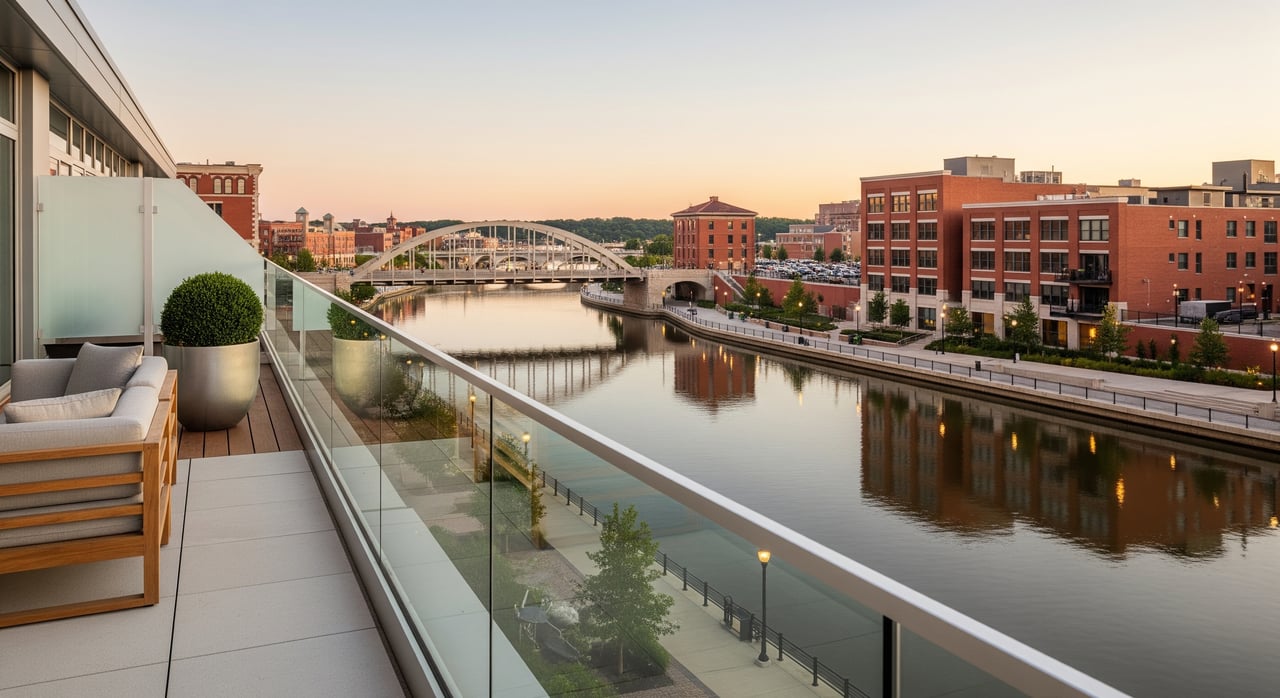
Picture starting your day with a coffee on the Fox River, then walking a few blocks to catch a show that night. If you are considering a home near Aurora’s riverfront or downtown core, you are probably weighing the perks of walkability and culture against practical needs like parking, commute time and potential flood risk. The good news is you can have both lifestyle and livability with the right plan. This guide shows you what day-to-day life looks like along the river and in nearby neighborhoods, plus the steps to buy confidently. Let’s dive in.
How riverfront living feels
Downtown and riverfront core
Living in the heart of downtown puts you closest to restaurants, bars, theaters and the riverwalk. Housing here often includes renovated historic lofts and apartments in former commercial or industrial buildings, smaller condos, and some newer mixed-use developments with retail at street level. You get the highest walkability and the most event energy.
Trade-offs include event noise and higher parking demand on concert or festival nights. Units can be smaller, and there is a higher share of rentals on certain blocks. If you love being steps from nightlife and venues, the downtown core checks a lot of boxes.
Historic residential pockets nearby
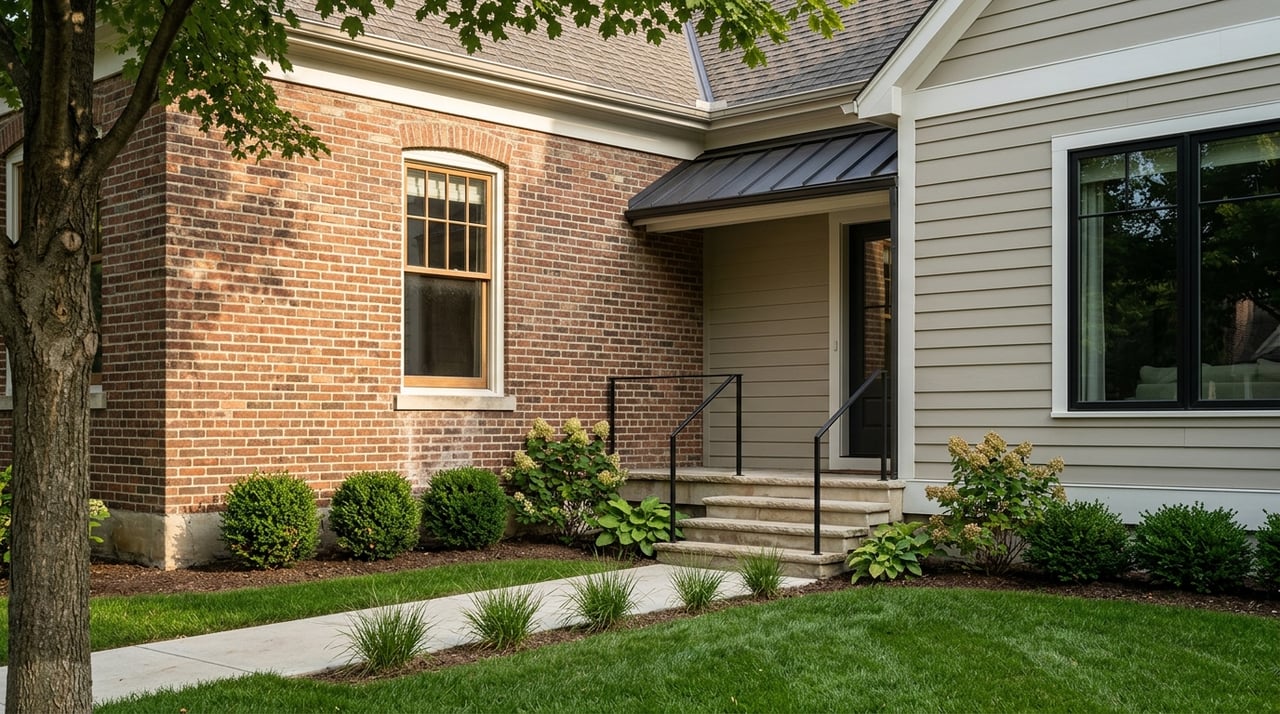
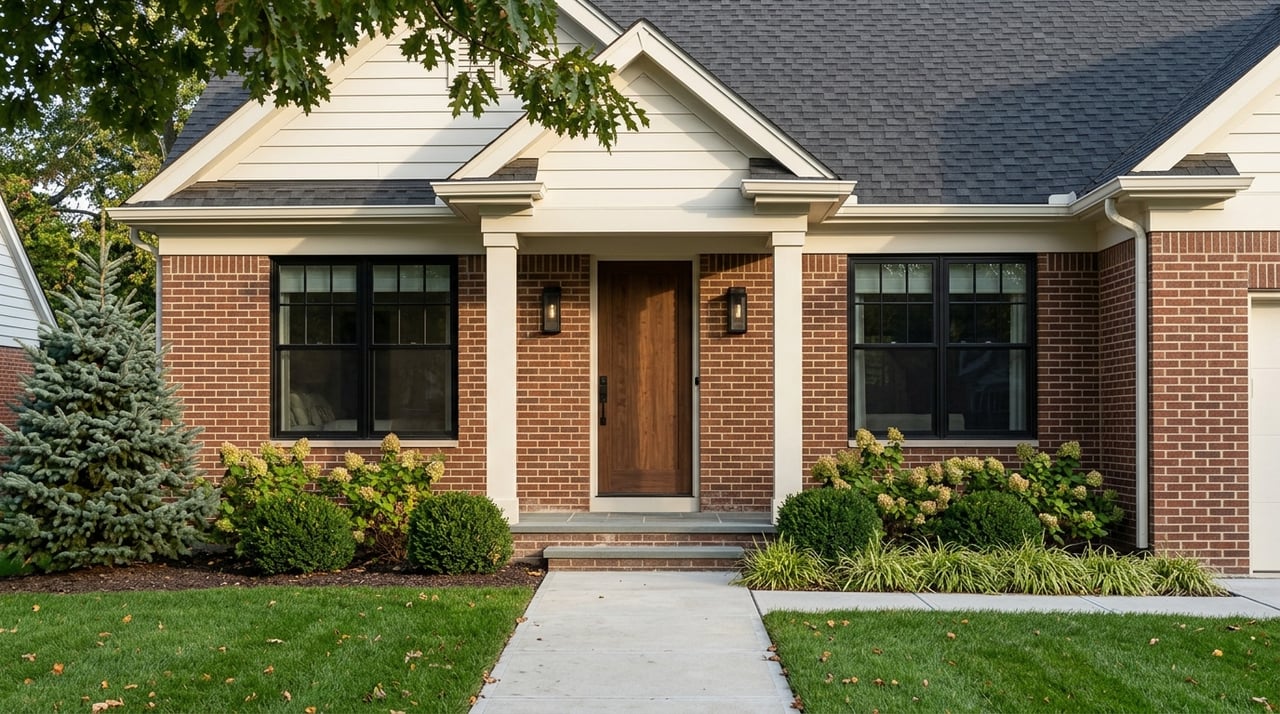
Just outside the core, you find early and mid-20th-century streets with brick bungalows, Victorians and Craftsman homes. These blocks feel quieter but stay close to downtown for quick trips to the riverfront. Period details and porches add character.
Older homes come with typical maintenance needs. Expect to evaluate roofs, mechanicals, windows, insulation and possible electrical or plumbing updates. You trade a bit of walkability for more space and architectural charm.
River-adjacent blocks and parks
Follow the river a bit and you will see a mix of single-family homes and multifamily buildings within walking distance of trails and parks. The Fox River corridor offers everyday access to walking, running and biking routes. You are close to playgrounds, green spaces and seasonal events along the water.
Low-lying parcels can sit in FEMA-designated floodplains. Before you get attached to a view, plan to confirm flood maps and insurance needs. Scenic benefits are real, and due diligence helps you manage risk.
Transitional corridors and infill
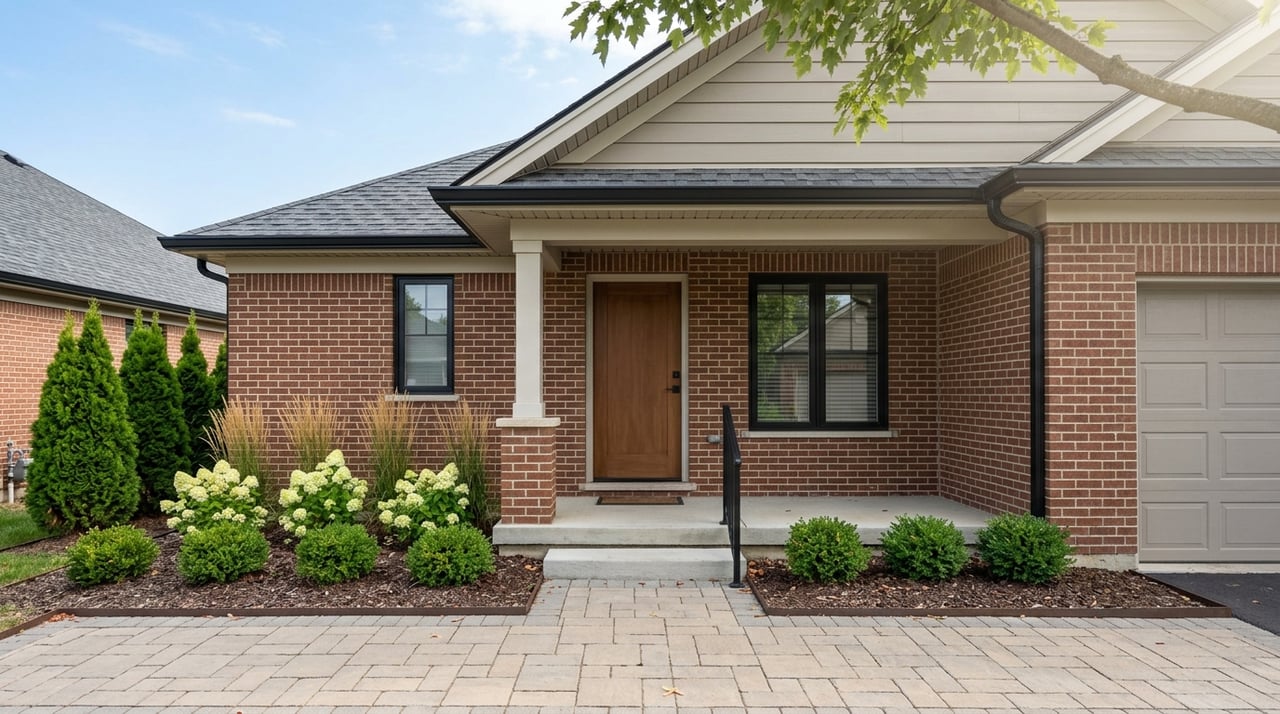
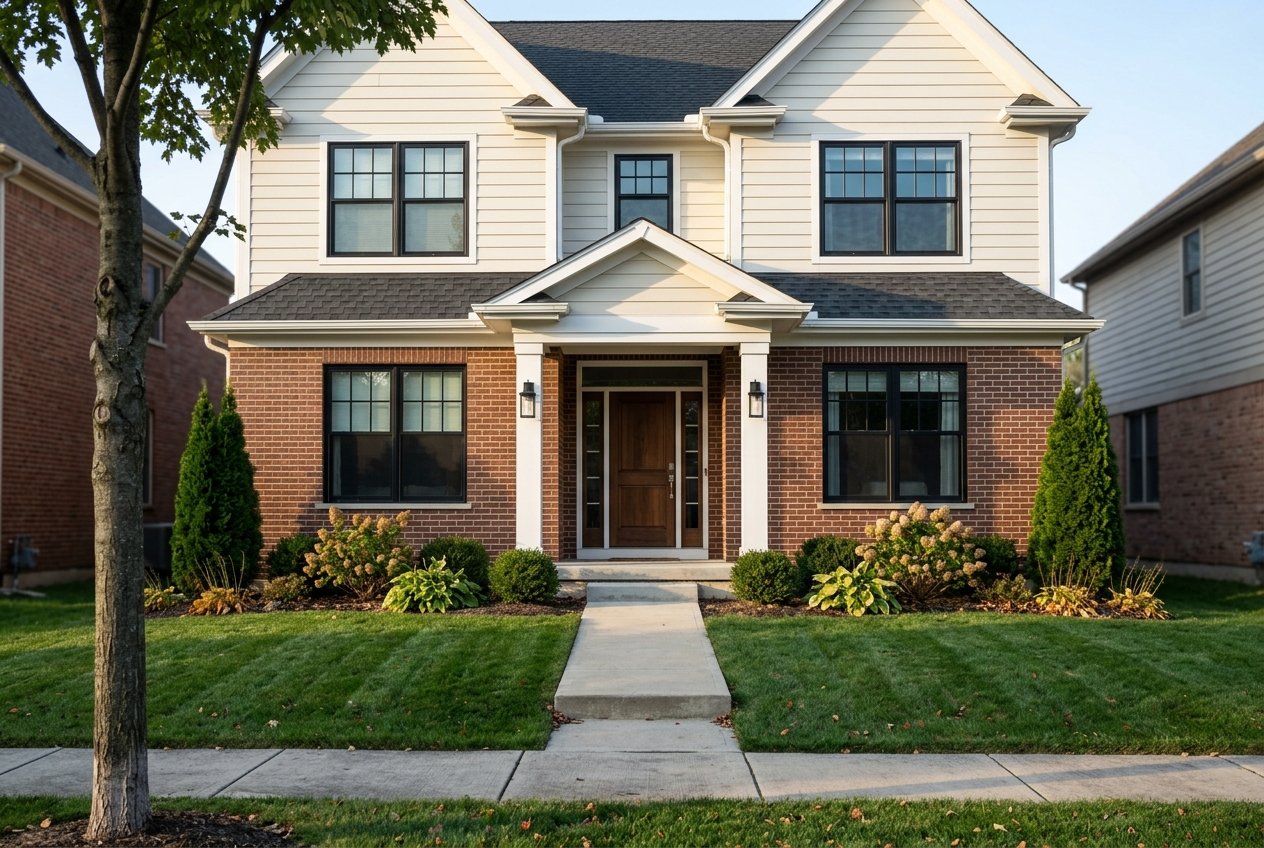
A short drive or bike ride from the core, newer townhomes and infill condos offer modern amenities like garages, fitness rooms and newer mechanicals. These developments market proximity to downtown rather than being inside it. You can strike a balance between comfort and access.
Expect homeowners association rules and monthly fees. You may give up some historic charm in exchange for newer systems, parking and predictable maintenance.
Housing options and what to expect
Pricing and inventory basics
You will see four common choices near downtown: historic lofts and adaptive-reuse condos, small to mid-sized condos with minimal outdoor space, older single-family homes with period architecture, and newer townhomes or infill single-family options. Properties with river views or best-in-class walkability usually command a premium. Condos and lofts often present a lower entry price than single-family homes, but HOA fees and parking arrangements affect your total monthly cost.
For current pricing and inventory, rely on the local MLS and a knowledgeable local agent. County assessor records can show historical sale data and property tax trends. Since listings move quickly in walkable areas, set alerts and schedule showings fast.
Condos, lofts and HOA realities
In the core, you will find a higher share of rentals and multifamily properties. If you plan to buy a condo or loft, review HOA financials, rules, reserves and special assessments. Look closely at items like masonry, roofs and shared mechanical systems in older buildings.
If you are considering short-term rentals, check city rules and HOA restrictions first. Downtown event venues make rentals attractive for visitors, but policies vary by building and block. Your agent can help you evaluate bylaws and compliance.
Older homes: inspections and upgrades
Period homes can be solid investments if you plan for updates. Expect original materials like plaster, older windows and masonry that may need refreshes. Mechanical systems, insulation and water management deserve extra attention near the river.
Bring a licensed inspector with historic-home experience. If the home sits near low-lying areas, ask about past floodproofing work and any backflow or sump system improvements. Upfront planning can save you from surprise costs later.
Walkability, transit and commute
On foot and bike along the Fox River
Downtown Aurora is the most walkable area in the city. You can stroll to restaurants, cafes, theaters and parks in minutes. The riverwalk and Fox River trail systems create continuous routes for running, biking and scenic weekend loops.
Before you buy, map your typical errands. Check how far it is to groceries, pharmacies and a gym from the exact address. Walkability can change block by block, so take an evening and weekend walk to feel the vibe.
Metra and regional transit
Aurora sits at the end of the Metra BNSF Line, which provides direct service to Chicago’s Union Station. Schedules vary by express and local trains, so plan your commute windows and test a ride if possible. Many buyers choose Metra for more predictable travel times to the city.
Pace suburban buses connect downtown to nearby neighborhoods and suburbs for last-mile links. On event nights, expect fuller trains and busier platforms. For the latest schedules and service alerts, visit Metra’s site and check the BNSF Line page.
Driving and airport access
I-88 provides the main regional highway link, with connections east toward I-355 and the broader Chicago area. Drive times to downtown Chicago vary with traffic. O’Hare and Midway are the region’s primary airports, reachable by tollways and arterials.
If you plan to drive daily, confirm where you will park at home and at work. Many downtown buildings offer structured or permit parking. During major events, arrive early or consider alternate routes.
Dining, entertainment and weekend fun
Theaters and concerts on the river
Downtown’s cultural anchors create a steady calendar of shows and concerts. The historic Paramount hosts touring productions, music and community performances. RiverEdge Park brings outdoor concerts and summer festivals right to the water.
- Explore current shows at the Paramount Theatre.
- See upcoming concerts at RiverEdge Park.
Markets, festivals and local energy
Seasonal farmers’ markets, art walks and street festivals add buzz to weekends. Event nights bring more foot traffic and a lively scene near the river. To plan your calendar, browse downtown business and event listings through local organizations such as the Aurora Downtown community page.
Everyday errands and retail mix
You will find independent restaurants, bars and cafes clustered in the core. Service retail exists but can be limited on certain blocks, so many residents drive a short distance to larger grocers or big-box stores beyond the historic center. This is a common trade-off in walkable downtowns across the region.
Floodplain, parking and other trade-offs
Flood risk along the Fox River
Some river-adjacent parcels fall within FEMA-designated floodplains that can affect financing, insurance and long-term costs. Before you tour, check the FEMA Flood Map Service Center for current flood zone maps at the address level. Ask about the property’s flood history and any local mitigation projects that may influence risk.
Your insurance agent can quote flood coverage based on the exact parcel and elevation certificate. If you are concerned, prioritize homes on higher ground or buildings with documented floodproofing improvements.
Parking and event dynamics
Downtown life means busy nights when shows and concerts let out. Ask sellers or HOA boards how resident parking works during events. Some buildings have structured parking, while others rely on permits or street parking.
If you plan to host often, check guest parking policies and nearby garages. For day-to-day living, verify EV charging options and winter parking rules.
Zoning, overlays and renovations
Parts of downtown fall under special zoning or historic overlays. These can shape what you can change on a building’s exterior, signage and use. Before making renovation plans, review city guidelines and speak with staff in Planning and Development. The City of Aurora’s official site is a good starting point for codes, processes and updates at the City of Aurora.
Buyer checklist for riverfront and downtown
Use this quick plan to move from idea to action:
Define your lifestyle must-haves
- Choose your priority: true walkability or short drive. Decide your tolerance for live music and event noise. Note your parking needs and whether you need private outdoor space.
- Confirm commute preferences, including whether you will rely on Metra or plan to drive most days.
Complete property-specific checks
- Run a flood-risk check with address-level FEMA maps. Ask for documentation of any floodproofing and backflow systems.
- Review parking arrangements and event procedures with the HOA, property manager or seller.
- If considering a historic home, verify any local historic overlay rules that may affect exterior work.
- Inspect mechanical systems, insulation and windows, especially in older buildings or homes near the river.
Handle financing and insurance early
- If the parcel sits in a mapped flood zone, confirm insurance requirements and premiums before you offer.
- For condos and lofts, review HOA reserves, special assessments, rental rules and building maintenance history.
Test daily life
- Walk the block on a weeknight and a weekend. Visit during a concert or theater evening to gauge noise and traffic.
- Time your typical grocery and pharmacy trips. If you commute by train, ride your route during a normal rush hour.
Nearby options in Kane County
You can also look at nearby towns with their own downtowns and commuter options. Elgin and other Kane County communities offer different home styles, densities and commuting patterns while keeping you within reach of Aurora’s venues and riverfront. School district boundaries vary by address. Confirm the assigned district for any property you consider.
Ready to explore your options?
If you are drawn to the Fox River and downtown energy, a little planning goes a long way. From mapping walkability to checking flood zones and HOA health, the right steps help you buy with confidence. When you want a local strategy, personalized tours and data-led guidance along the I-88 corridor, connect with Dimpi Mittal. Schedule a free consultation and let’s find the right fit.
FAQs
What housing types dominate downtown Aurora?
- Expect renovated historic lofts and apartments, small to mid-sized condos, and some newer mixed-use developments, with more single-family homes just outside the core.
How does flood risk affect buying near the Fox River?
- Some parcels lie in FEMA floodplains that can require flood insurance and influence financing, so check address-level maps through the FEMA Flood Map Service Center before you offer.
What is the commute from Aurora to Chicago like?
- Many commuters use the Metra BNSF Line to Union Station for predictable travel times, while others drive via I-88 and connecting tollways, with total time varying by traffic and schedule.
Where can I find events and nightlife near the riverfront?
- Start with show listings at the Paramount Theatre, the concert schedule at RiverEdge Park, and downtown event calendars like Aurora Downtown.
How do HOA fees factor into condos and lofts downtown?
- HOA fees cover shared costs like exterior maintenance and building systems, so review reserves, special assessments, parking arrangements and any rental rules before you buy.