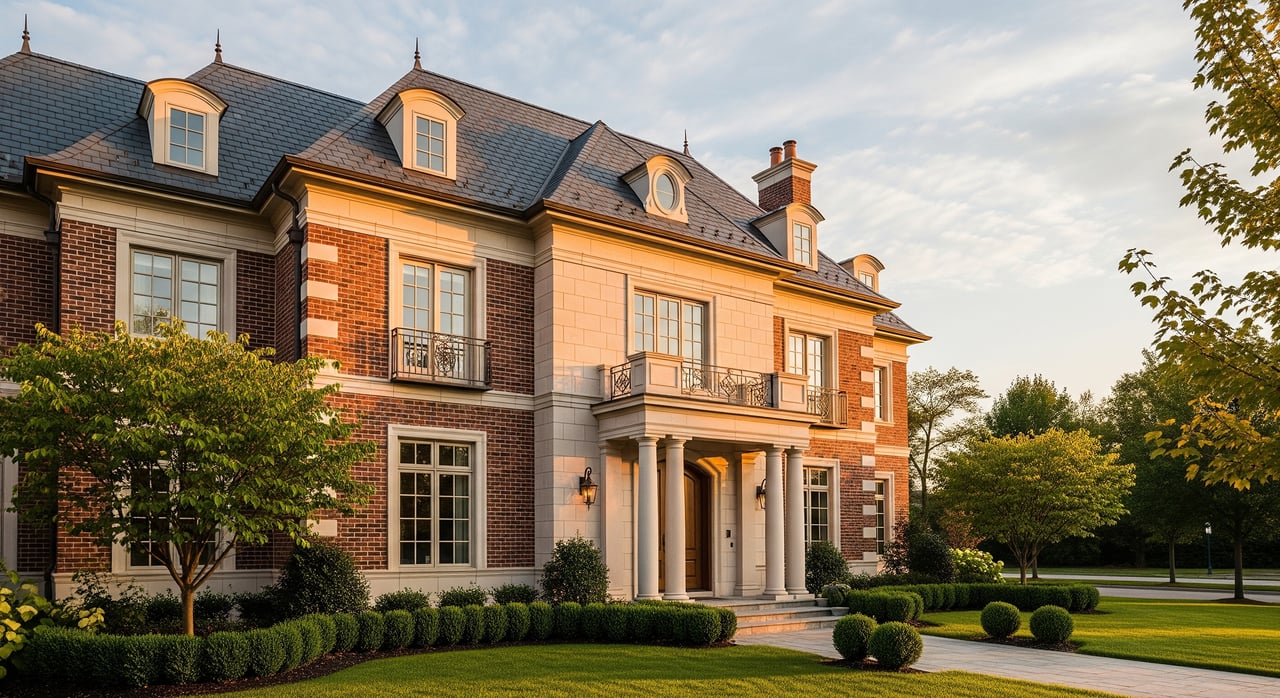
Curious what truly counts as a luxury home in Naperville? You see big price tags, striking kitchens, and gorgeous lots, but the definition can feel fuzzy. You want clarity before you buy, upgrade, or list. In this guide, you’ll learn how pros define luxury in Naperville, which features and locations matter most, and how valuation, marketing, and financing work at the upper end. Let’s dive in.
Luxury defined by the market
Luxury is not a fixed price. In Naperville, it’s best defined by where a home lands in the market’s top tier. Professionals often use a percentile approach, with luxury generally falling in the top 5 to 10 percent of closed sale prices. This stays relevant as the market shifts.
Here’s how to apply it:
- Pull the last 12 to 24 months of Naperville single-family sales from the local MLS (MRED).
- Calculate the 90th percentile sale price. Homes above that line typically qualify as luxury.
- Compare each candidate home to nearby properties for lot size, finishes, and amenities. A home that clearly exceeds neighborhood norms is often marketed as luxury.
Helpful context:
- Size: Many luxury single-family homes in Naperville run about 3,500 to 6,500 plus square feet, especially newer or custom builds.
- Lots: Premium parcels include cul-de-sacs, golf or river frontage, and larger estate lots, often one-half to one acre or more.
- Price per square foot: Expect a premium versus the town median. Think in terms of percentage above the median rather than a single dollar number.
Property features that signal luxury
Architecture and construction
- Custom or architect-designed plans with strong curb appeal.
- Stone or brick exteriors, detailed masonry, and complex rooflines.
- Multi-car garages, often with extra storage or a porte-cochere.
- Premium windows, framing, and well-specified HVAC, plumbing, and electrical systems built for longevity.
Interior finishes and layout
- Gourmet kitchens with professional-grade appliances, custom cabinetry, oversized islands, and a walk-in pantry or butler’s pantry.
- High-end materials such as site-finished hardwoods, natural stone, custom millwork, and designer lighting.
- Functional luxury spaces: mudrooms, organized storage, wine rooms, elevators or pre-framed elevator shafts.
Amenity spaces
- Primary suites with expanded dressing rooms or custom closets, spa-style baths, and private sitting areas.
- Finished lower levels that may include a theater, wet bar, fitness studio, or guest suite with separate access.
- Outdoor living with covered patios, outdoor kitchens, pools or hot tubs, professional landscaping, sports courts, and integrated lighting.
Smart home and efficiency
- Whole-home automation for lighting, audio, security, and climate.
- High-capacity HVAC and strong data wiring.
- Energy-efficient systems, enhanced insulation, EV charging, and solar where appropriate.
Site and privacy
- Mature landscaping and tree buffers.
- Estate-style setbacks and, where applicable, gated entries.
- Waterfront or golf course frontage that blends scenery with privacy.
Condition expectations
Luxury buyers expect move-in condition and clear maintenance history. Documentation for service, updates, and system upgrades helps your home stand out.
Neighborhood factors in Naperville
Downtown and the Riverwalk
Downtown amenities influence value. Homes near the Riverwalk, dining, and retail often command premiums for walkability and lifestyle. Lots tend to be smaller, so the appeal is convenience and atmosphere rather than acreage.
Golf course and gated communities
Homes along golf courses and within gated enclaves or planned luxury subdivisions see strong demand. Larger lots, private club access, and curated streetscapes can add value.
Schools and commute context
Many buyers consider homes within Naperville Community Unit School District 203 or Indian Prairie School District 204. Proximity to Metra and I-88 also matters to commuters who want a shorter trip to Chicago. Keep your focus on what fits your lifestyle.
Tradeoffs to weigh
- Downtown proximity vs. estate lots: walkability and charm versus acreage and privacy.
- Commute vs. quiet: quicker access to Metra or highways versus deeper residential pockets.
- Amenities vs. taxes and upkeep: pools and large lots add enjoyment and ongoing maintenance.
How pros evaluate and price luxury
CMA and comparable selection
A Comparative Market Analysis for luxury pulls from a wider radius and fewer direct comps. Adjustments for lot quality, finished area, and unique amenities are more nuanced. Homes are too individual for a one-size approach.
Price per square foot with caution
Price per square foot is a rough guide at best. For unique properties, appraisers weigh functional utility, site quality, and amenity parity more heavily than a simple number.
Replacement cost as a check
For highly custom homes, estimated replacement cost, adjusted for land value and depreciation, can be a useful secondary reference.
Financing and appraisal realities
- Many buyers use jumbo financing or pay cash.
- Jumbo underwriting can be conservative, and rare features may not fully appraise.
- When local comps are scarce, appraisers may consider cross-community comps and cost approaches.
Inspections and negotiations
Expect comprehensive inspections: structural, systems, pool, sump, and more. Negotiations in the luxury tier often focus on condition, comparables, and clean documentation. Showings and escrow can include enhanced privacy protocols and pre-qualification.
Marketing that moves luxury listings
Luxury listings require polished, professional presentation. Strong positioning avoids long days on market and protects value.
- Visuals: professional photography, twilight shoots, floor plans, drone footage for larger parcels, and 3D or cinematic tours.
- Staging: interior and exterior staging to deliver a turnkey experience.
- Targeted exposure: placement in established luxury channels, curated open houses, and direct outreach to qualified buyer pools.
- Pricing: anchor to the best recently closed comps and current competing inventory. Strategic pricing typically outperforms overpricing.
With Certified Luxury Home Marketing Specialist credentials and Coldwell Banker’s Global Luxury reach, Dimpi brings boutique-level service backed by institutional distribution. That means tailored staging, buyer-profile marketing, and data-led pricing to position your home for success.
Action plan for buyers and sellers
For buyers
- Define your must-haves: location, lot type, square footage, and specific amenities.
- Ask for recent 90th percentile pricing and a list of recent upper-tier comps.
- Review maintenance logs, mechanical ages, and any smart-home systems.
- Plan your financing: jumbo pre-approval or proof of funds before tours.
- Consider seasonality. Spring and summer often showcase outdoor amenities best.
For sellers
- Confirm your tier: request a CMA that benchmarks against the top 5 to 10 percent of sales.
- Prepare the property: address deferred maintenance, refresh paint, and complete a pre-listing punch list.
- Stage and document: curate rooms, gather service records, and highlight upgrades.
- Invest in visuals: photography, video, and floor plans that reveal flow and outdoor living.
- Choose smart pricing: position near the strongest recent comps to drive early traffic.
Where to find current data
To stay current in a fast-moving market, use reliable local sources:
- MLS provider (MRED): closed sales, current inventory, days on market, and price percentiles.
- County assessor records: DuPage and Will County data for parcel details, lot sizes, and tax info.
- City of Naperville and Park District resources: planning maps, zoning, parks, and Riverwalk details that influence value.
- School district sites: District 203 and District 204 boundary maps and enrollment info.
- Industry reports: Illinois REALTORS and national associations for broader luxury and mortgage trends.
A trusted local advisor can synthesize these sources for you and tailor them to your goals.
Partner with a local luxury expert
If you’re weighing a move into or out of Naperville’s luxury tier, you deserve clear data, careful pricing, and strategic marketing. From staging and cinematic tours to negotiation and private showings, you get a high-touch plan aligned with your goals. Connect with Dimpi Mittal to review current top-tier comps, confirm your home’s position in the market, and map the next steps.
FAQs
What price range counts as luxury in Naperville today?
- Pros use a percentile method. Homes at or above the 90th percentile of recent closed sales are typically considered luxury. Ask for a current 12 to 24 month MLS analysis to see that number.
Which Naperville areas often have luxury homes?
- You will find concentrations near downtown and the Riverwalk, along golf courses, inside gated or planned luxury subdivisions, and on larger estate lots outside the core.
How much more per square foot do luxury homes cost?
- Expect a premium compared to the town median on a percentage basis. Because each property is unique, focus on comps that match site and amenities rather than a single per-foot number.
What features do buyers expect in a Naperville luxury home?
- Turnkey condition, high-end kitchen and baths, functional spaces like mudrooms and organized storage, finished lower levels, outdoor living, smart-home systems, and clear maintenance records.
How do jumbo loans and appraisals affect luxury deals?
- Jumbo financing can be conservative, and rare features may not fully appraise. Strong comps, thorough documentation, and a strategic appraisal plan help manage risk.
What tradeoffs should a move-up buyer consider?
- Balance downtown walkability against lot size and privacy, weigh commute times versus quiet streets, and plan for ongoing maintenance and taxes that often come with larger homes and amenities.