Buying your first place in Lisle can feel exciting and a little confusing at the same time. Condos and townhomes often look like the simpler path to homeownership, but the monthly costs, ownership structure, and association rules can change what you are really buying. This guide will help you understand how first-time condo and townhome purchases work in Lisle, what to watch for, and what questions to ask before you make an offer. Let’s dive in.
Why Lisle appeals to first-time buyers
Lisle offers a meaningful mix of attached housing, which gives first-time buyers more options than a market made up mostly of detached homes. The village reports 1,214 condos and 628 townhomes out of 10,955 total housing units, and it also notes that redevelopment continues to add condos and townhomes alongside other housing types.
That matters if you want a lower-maintenance lifestyle or a more approachable entry point into homeownership. Public listing portals recently showed dozens of condos and townhomes for sale in Lisle, with townhomes around a median listing price of $435,000 on one portal and about 25 days on market. Another March 2026 market snapshot described Lisle as seller-leaning, with homes selling around list price on average, so timing and preparation still matter.
Lisle also fits buyers who want convenience built into daily life. The village highlights access to I-88, I-355, and Route 53, plus Metra service on the BNSF line, with express rail service to Chicago in about 36 minutes. Downtown Lisle is designed to be pedestrian-oriented, which can be a strong fit if you want less yard work and easier access to everyday destinations.
Condo vs. townhome in Lisle
One of the biggest first-time buyer mistakes is assuming a condo and a townhome are defined only by how they look. In Illinois, the legal ownership structure matters just as much as the exterior style.
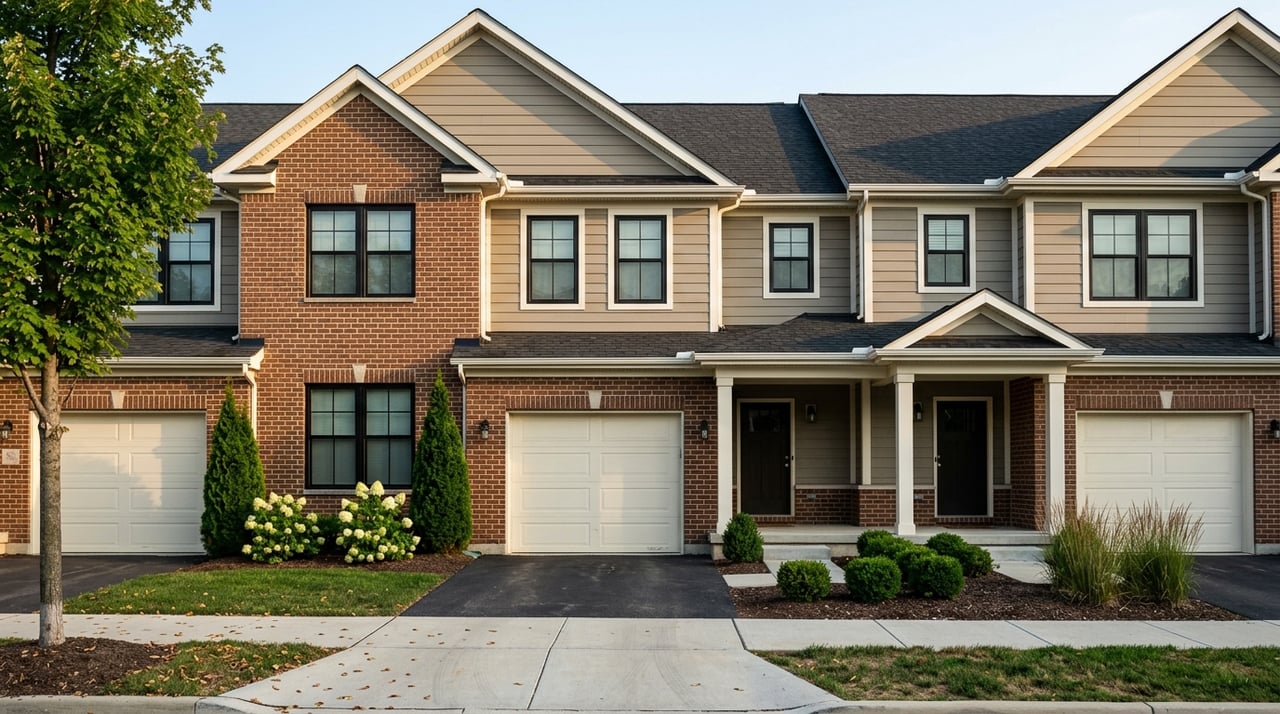
A townhome may be part of a common interest community and still be owned differently than a condominium. Under Illinois law, a common interest community is real estate other than a condominium or cooperative, and it may include attached or detached townhomes, villas, or single-family homes. In simple terms, two homes that look similar in Lisle may come with very different ownership rights, maintenance obligations, and association rules.
That is why the recorded declaration matters. Before you get too attached to a property, you want to confirm whether it is a condominium, a townhome in a common interest community, or another structure such as a planned unit development.
What this means for you
The legal form can affect:
- What you own outright
- What the association maintains
- What your monthly assessment covers
- What documents you can review before closing
- How the property fits your loan program
If you are buying for the first time, this is where having clear guidance can save you from expensive surprises later.
Look beyond the list price
With condos and townhomes, the list price is only part of the story. Your real monthly cost is usually a combination of mortgage, property taxes, insurance, and the HOA or condo assessment.
That association payment can cover important items, but it is not the same thing as your mortgage. Consumer guidance cited in the research notes that condo fees often pay for exterior repairs and common areas, and may also include water, sewer, trash, recreational amenities, insurance, and reserve funding. Property taxes are usually separate, and insurance responsibilities may be split between the association and the owner.
For a Lisle buyer, that means you should always evaluate the full payment picture, not just whether the purchase price feels manageable. A home with a lower list price but higher monthly assessments may cost more each month than you expect.
Build your real budget
When comparing homes, look at:
- Principal and interest
- Property taxes
- Your own insurance policy
- Monthly HOA or condo assessment
- Possible special assessments
- Parking or storage costs, if separate
This gives you a more realistic view of affordability and helps you compare properties fairly.
What association fees may really cover
Association fees can be helpful when they truly match your lifestyle goals. They may reduce the number of maintenance tasks you handle directly, but they do not mean every expense disappears.
Under Illinois law for common interest communities, common expenses can include maintenance, improvements, insurance premiums, and real estate taxes for common areas. Members must also receive budget information showing what portions are intended for reserves, capital expenditures or repairs, and real estate taxes. Those details can give you a clearer picture of the association’s financial health.
This is especially important if you are choosing attached living because you want predictability. A well-run association with solid budgeting and reserve planning can support that goal. A poorly prepared association can lead to unexpected costs.
Why reserves and special assessments matter
First-time buyers often focus on finishes, layout, and commute time. Those things matter, but the association’s financial condition matters too.
A reserve fund is money set aside for future major repairs and replacements. If reserves are too low and a large project comes up, owners may face a special assessment. That is an extra charge beyond the normal monthly fee.
The research specifically points buyers toward key questions like the size of the reserve fund, current or planned special assessments, and the remaining useful life of major components. In practical terms, you want to know whether the community is planning ahead for big-ticket items instead of reacting after problems show up.
Ask these questions early
Before writing an offer, ask:
- Are there any current or planned special assessments?
- How much does the association hold in reserves?
- Have there been recent capital projects?
- What major repairs are expected in the next two fiscal years?
- What parts of the property are the association’s responsibility?
Early answers can help you avoid writing an offer on a home that does not fit your risk tolerance or budget.
Know what documents you can request
One of the most important protections for Illinois buyers is the resale document process. These records help you understand the rules, finances, and condition of the association before closing.
For condo resales, Section 22.1 of the Illinois Condominium Property Act requires the board, on request, to provide documents such as the declaration, bylaws, rules, unpaid assessment information, anticipated capital expenditures for the next two fiscal years, reserve fund status, financial statements, pending suits or judgments, insurance coverage, and the association contact person. The board must provide this information within 10 business days.
For common interest communities, Illinois law provides a similar resale document process, but the board has 30 days to respond. That timing difference matters. If you are considering a Lisle townhome or another attached property outside the condominium structure, document timing should be part of your offer strategy from the start.
Why timing matters in a seller-leaning market
In a market where well-priced homes can move quickly, you do not want to treat association review as an afterthought. The research suggests buyers should request condo or HOA documents early and treat the package as part of offer strategy, not just a post-inspection item.
That approach helps you move with more confidence. It can also give you time to review the budget, reserves, insurance information, and rules before deadlines feel rushed.
Seller disclosures still matter
In Illinois, the Residential Real Property Disclosure Act applies to condominium units too. Sellers are required to deliver the disclosure report before the contract is signed, and if they later learn of an error or omission before closing, they must provide a written supplemental disclosure.
There is one important limit to understand. The disclosure form states that it does not cover condo common elements. It applies to the residential real property and the limited common elements tied to the unit.
That means you should not rely on the seller disclosure alone to understand the full condition or risk of the association. You still need the association documents to get the broader picture.
Financing a condo or townhome is not always automatic
Many first-time buyers assume that if they qualify for a loan, any condo will work. In reality, the project itself may also need to meet lender requirements.
The research notes that lenders must determine whether a condo or other project meets project eligibility standards. Project risks can relate to financial stability, physical condition, litigation, insurance, occupancy restrictions, and limitations on common elements or amenities. The practical takeaway is simple: not every condo project is equally financeable.
If you plan to use a specific loan program, confirm early whether the property is likely to be eligible. This can save time, reduce stress, and help you avoid a deal that falls apart late in the process.
What to check in the listing details
Listing descriptions can tell you more than the square footage and photo count. For first-time condo and townhome buyers in Lisle, the small details often have a big impact on daily life and long-term costs.
Useful details include whether the property is identified as a condo, townhome, or PUD, what the monthly fee covers, and whether parking is assigned, deeded, or guest-only. You also want to know whether storage is included, whether pets or rentals are restricted, whether exterior changes are limited, and whether there are current or planned special assessments.
A smart first-time buyer checklist
Use this checklist before you write an offer:
- Confirm the legal property type
- Request association documents as early as possible
- Review the budget and reserve information
- Check for recent or upcoming capital projects
- Verify what the monthly fee covers
- Ask about roofs, siding, windows, snow removal, landscaping, water, and trash
- Confirm insurance responsibilities and deductibles
- Review parking and storage details
- Ask about pet, rental, and exterior modification rules
- Confirm the property fits your intended loan program
This kind of preparation can help you make a stronger, more informed decision.
A practical approach for Lisle buyers
If you are buying your first condo or townhome in Lisle, the goal is not just to find a home you like. The goal is to find a home that fits your budget, your lifestyle, and the rules of the community around it.
Lisle offers a strong attached-housing base and a location that works well for many buyers who want convenience, commuter access, and a lower-maintenance setup. At the same time, attached living comes with layers that deserve close review, especially around ownership structure, association finances, insurance, and financing.
When you understand those pieces early, you can shop smarter and avoid surprises. If you want help comparing options, reviewing what to ask, and building a strategy that fits your goals, schedule a free consultation with Dimpi Mittal.
FAQs
What is the difference between a condo and a townhome in Lisle?
- In Lisle, the difference is not just how the home looks. In Illinois, a townhome may be part of a common interest community rather than a condominium, so the recorded declaration determines ownership structure, maintenance obligations, and association rules.
What should first-time buyers in Lisle include in their monthly housing budget for a condo or townhome?
- You should budget for the mortgage, property taxes, your own insurance, and the HOA or condo assessment. You should also ask whether there could be special assessments or separate costs for parking or storage.
What documents should condo buyers in Illinois request before closing?
- For a condo resale, buyers should request the declaration, bylaws, rules, unpaid assessment information, anticipated capital expenditures, reserve fund status, financial statements, insurance coverage, and information about pending suits or judgments.
How fast do Illinois associations have to provide resale documents?
- For condominium resales, the board must provide the required information within 10 business days after a request. For common interest communities, the response period is 30 days.
Why do special assessments matter when buying a Lisle condo or townhome?
- Special assessments can increase your housing costs beyond the normal monthly fee. They often happen when major repairs or projects arise and the association does not have enough reserve funds set aside.
Can a first-time buyer use any loan program for any Lisle condo project?
- Not always. Lenders may review the project’s financial stability, insurance, physical condition, litigation, and other factors, so it is important to confirm early whether the property is likely to qualify for your intended loan type.